Data dies before it reaches the decision.
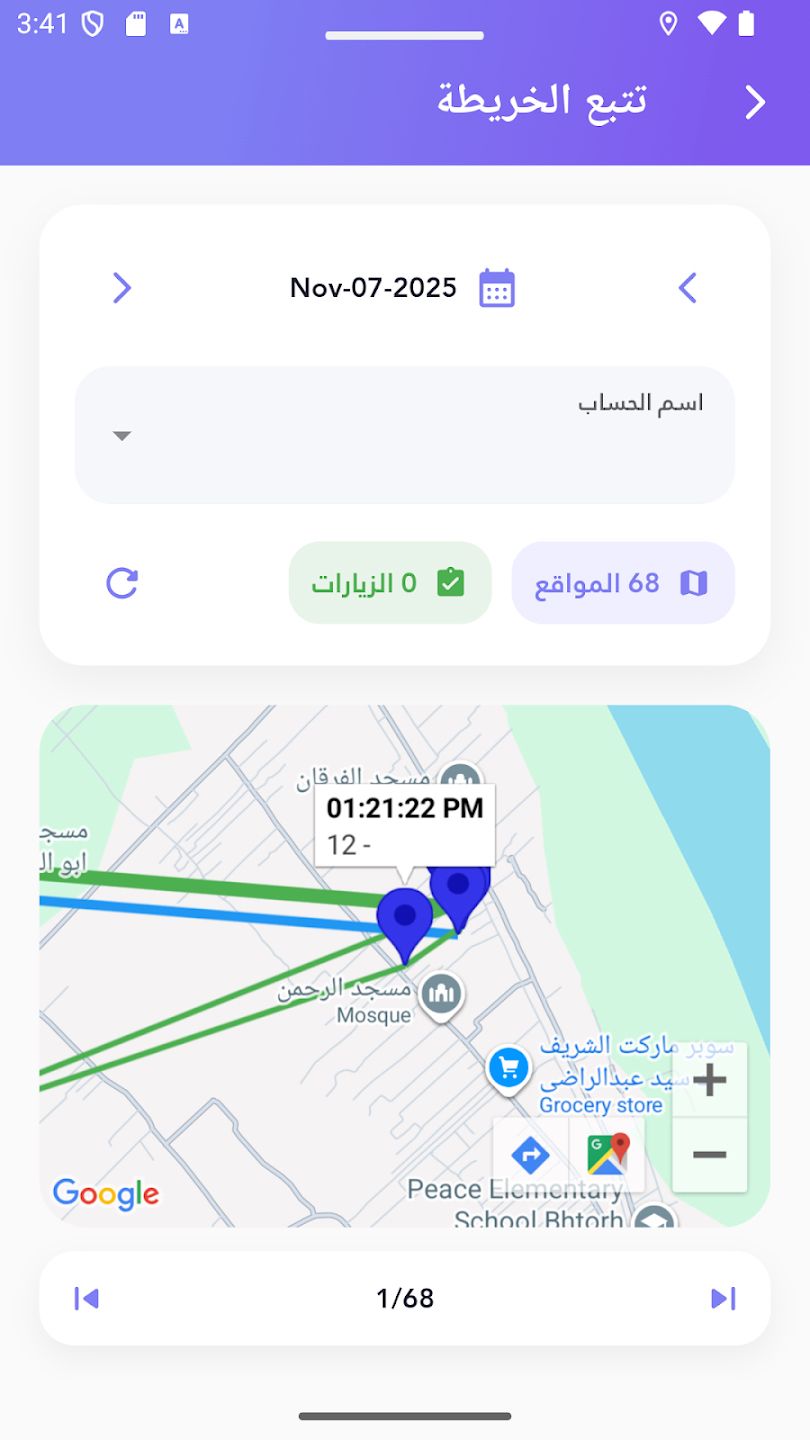
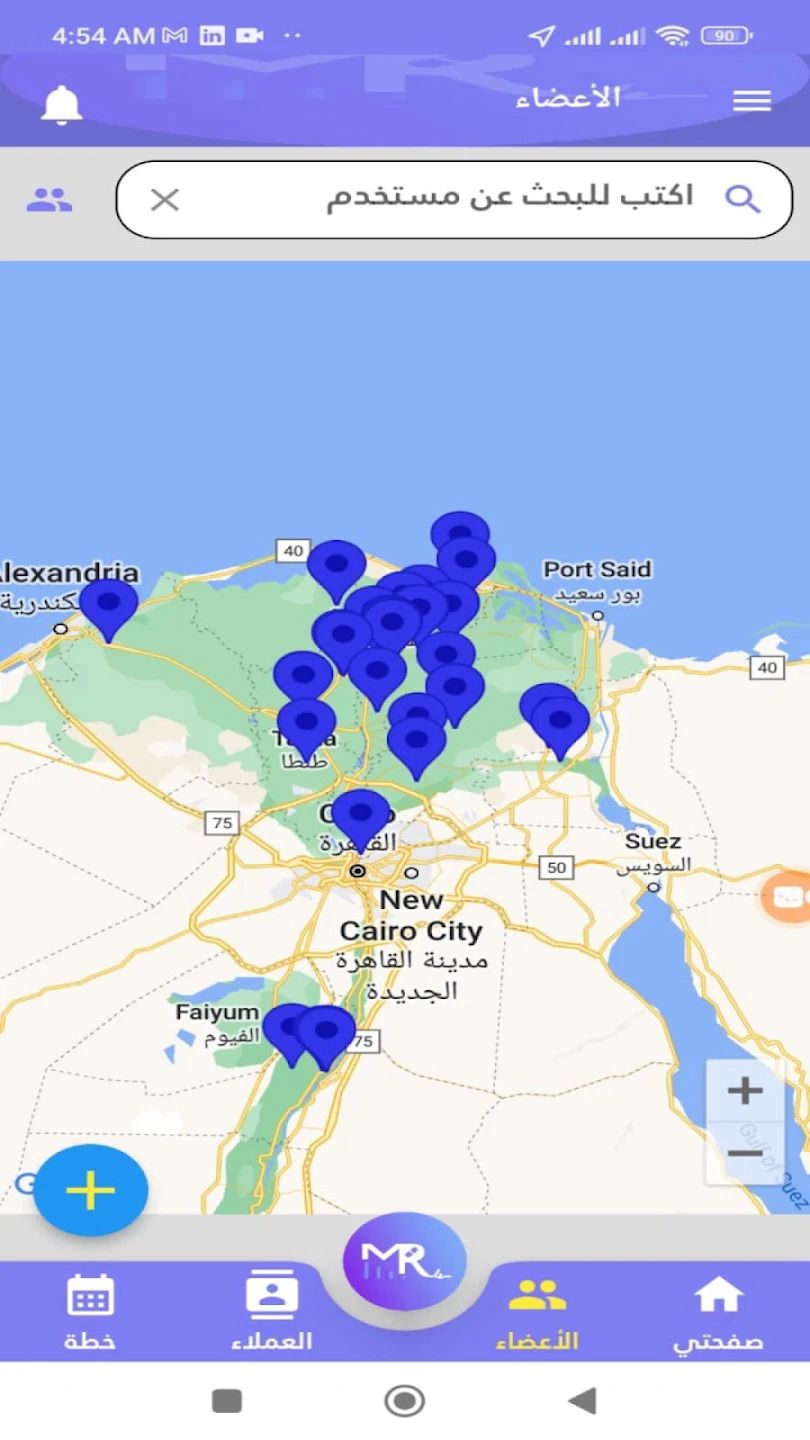
Imagine a dark command room. Numbers on the screens — but late. In the field, 30 reps moving across cities, and nobody really knows who visited the clinic, who logged a visit from a coffee shop, and who actually worked today. This isn't an exaggeration; it's daily life for most pharma companies still running on Excel, WhatsApp and notebooks.
End-of-month reports
Numbers manually stitched from Excel and WhatsApp. Decisions made on data that is two weeks old.
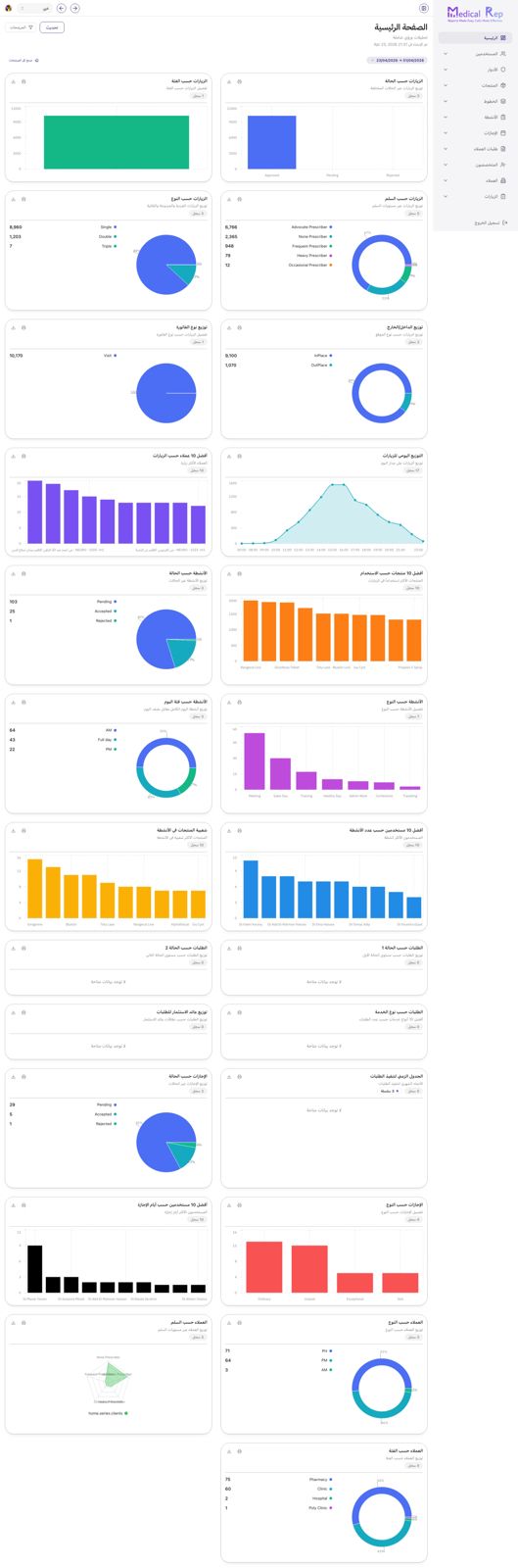
Live reports + AI insights
Every visit logged, every KPI live, an AI agent summarising the patterns for the manager in seconds.
Manual visit logging
Notebooks and spreadsheets create inconsistent records and reports that arrive too late to matter.
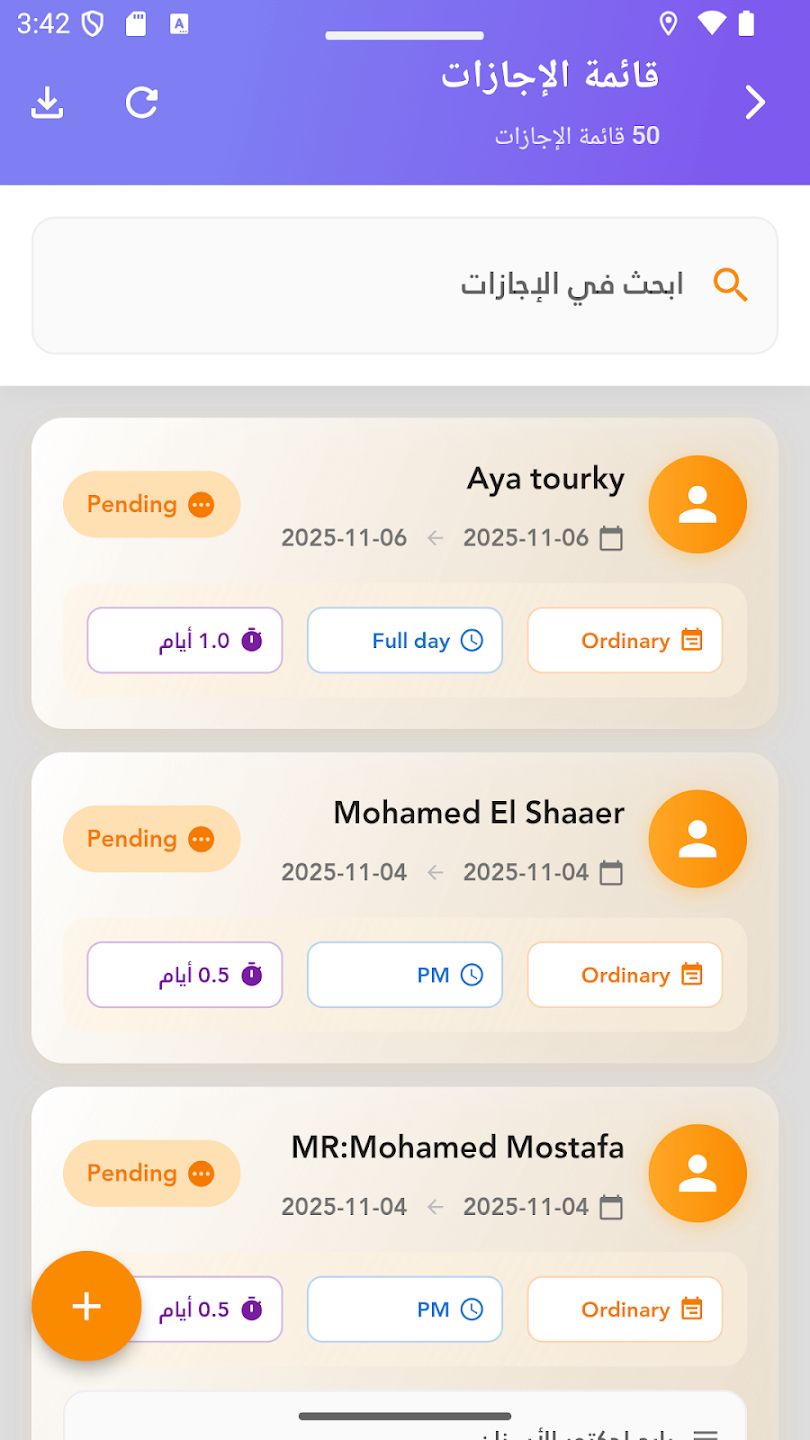
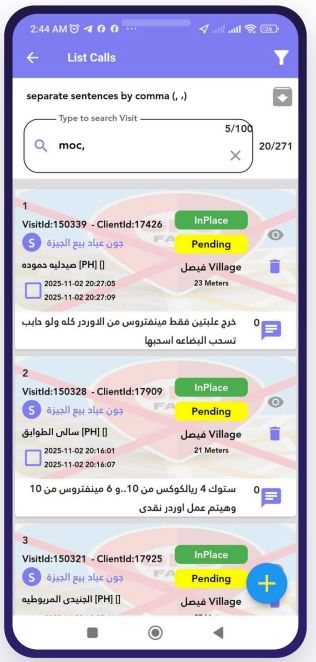
No field accountability
Managers rarely know what reps actually did in the field, weakening accountability and real performance tracking.
Scattered customer data
Doctor, pharmacy and hospital data live across phones, notebooks and Excel — with no single source of truth.
Reports devour time
Operations and sales teams burn hours stitching numbers manually instead of acting on real data.
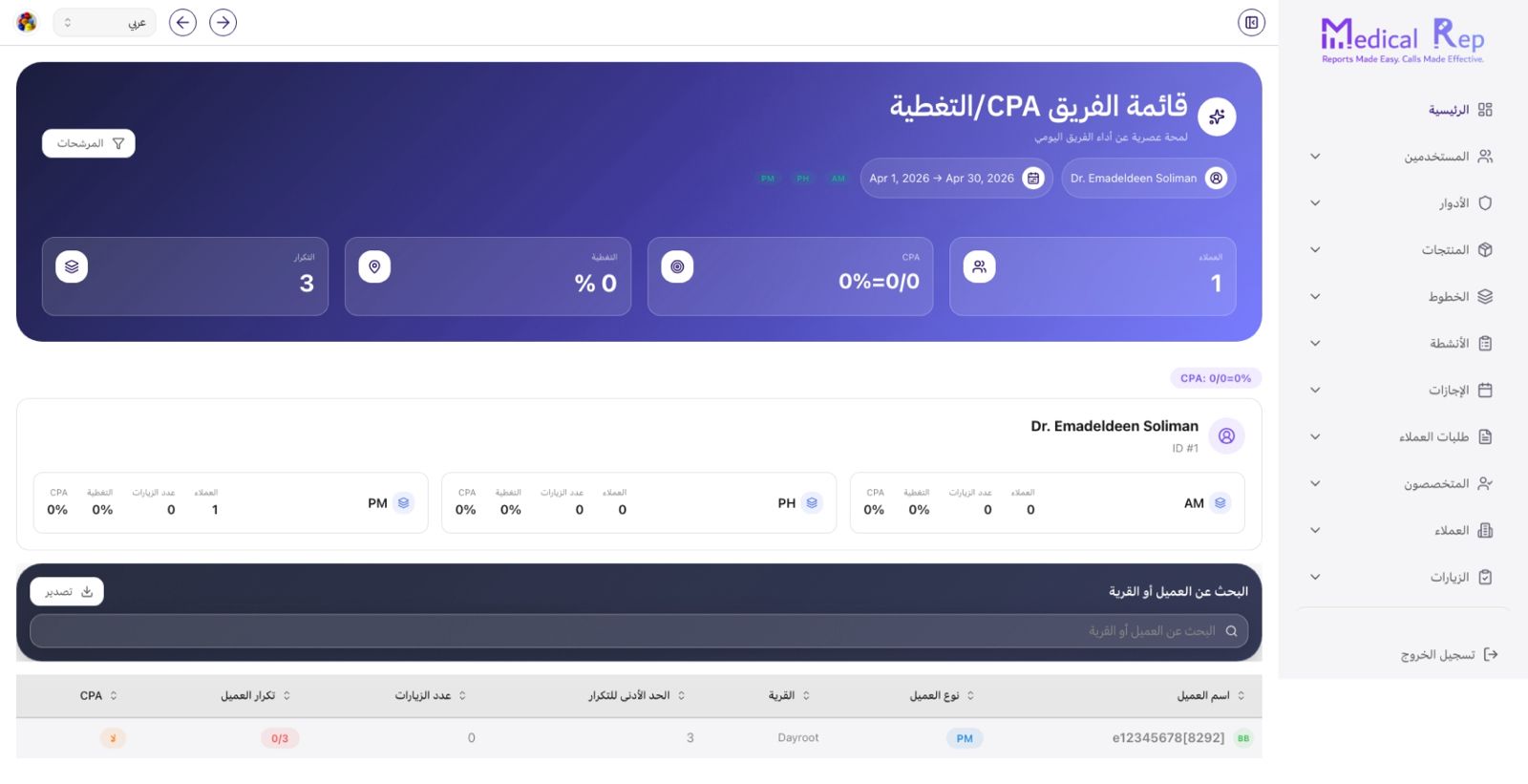
Hidden coverage gaps
Geographies and product lines without organised follow-up — gaps surface only after a competitor has already moved.
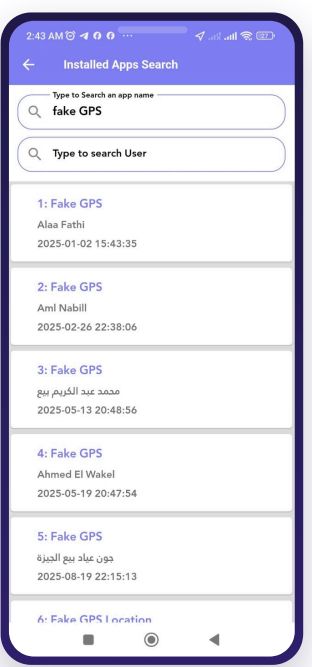
Untrustworthy GPS
Visit verification breaks down without automatic location capture and tamper-detection mechanisms.
Decisions without intelligence
Without AI, leadership reads massive numbers manually — missing patterns, risks and opportunities AI would have caught.